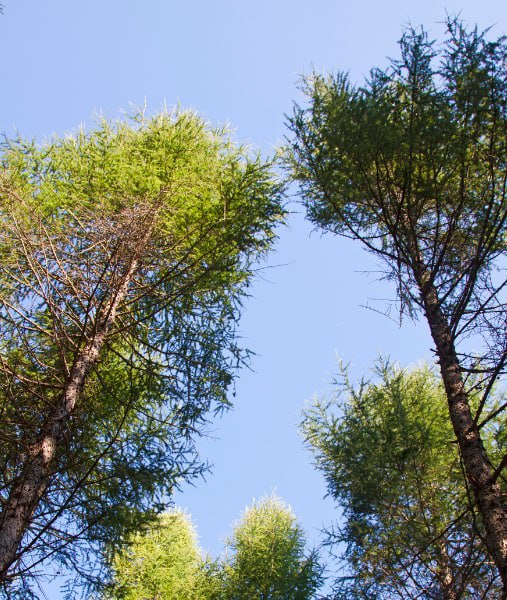
Trees add structure, shade and natural beauty to gardens and outdoor spaces. However, as they grow, branches can become overextended, crowded or damaged, affecting both the appearance and condition of the tree. Knowing when professional trimming is needed can help maintain healthy growth, improve the shape of the canopy and reduce potential hazards around your property.
For homeowners in Eastbourne, East Sussex, regular attention to tree condition is particularly useful where branches grow close to buildings, pathways, fences or other garden features. Recognising the warning signs early can help you arrange suitable tree care before minor concerns become more difficult to manage.
1. Dead, Damaged or Broken Branches
One of the clearest signs that a tree may need professional trimming is the presence of dead or damaged branches. These may appear brittle, lack foliage during the growing season or have visibly cracked bark and exposed wood.
Broken branches can become unstable, particularly during strong winds or heavy rainfall. Even smaller damaged sections may fall unexpectedly if they are no longer securely attached.
A professional tree surgeon can assess the affected growth and remove unsuitable branches using appropriate cutting techniques. It is important not to assume that every bare branch is dead, as some species naturally lose their leaves during certain seasons.
2. Branches Growing Too Close to Buildings
Trees can gradually extend towards roofs, walls, windows and other structures as their canopies develop. Branches that regularly touch buildings may rub against surfaces, obstruct gutters or interfere with routine property maintenance.
If growth is becoming intrusive, selective trimming can help establish suitable clearance without unnecessarily reducing the size of the entire tree.
A professional assessment is particularly useful when branches are high above the ground or positioned close to delicate structures. The aim is to manage the growth while preserving the tree’s natural shape.
3. An Overgrown or Unbalanced Canopy
A tree with an excessively dense or uneven canopy may benefit from carefully planned trimming. Crowded branches can cross over one another, compete for space or grow in awkward directions.
Signs of an unbalanced canopy include:
- One side of the tree appearing significantly heavier than the other.
- Branches crossing or rubbing against neighbouring growth.
- Excessive growth extending beyond the tree’s natural shape.
- Sections of the canopy becoming unusually dense.
- Branches growing towards unwanted areas of the garden.
Depending on the tree’s condition, crown thinning, crown reduction or selective pruning may be appropriate. These techniques serve different purposes, so the correct approach should be based on the tree’s structure and requirements.
4. Branches Obstructing Paths and Outdoor Areas
Low-hanging branches can make gardens and outdoor spaces difficult to use. They may obstruct walkways, entrances, driveways and seating areas, creating an inconvenience for residents and visitors.
Professional trimming can improve clearance and make these areas more accessible. However, removing too much lower growth can affect the tree’s appearance and structure, so cuts should be planned carefully.
Where a tree overhangs a frequently used area, it is worth arranging an assessment before the branches become a more significant obstruction.
5. Excessive Growth Blocking Natural Light
A mature tree with a large, dense canopy can reduce the amount of daylight reaching windows, patios and garden areas. While shade can be beneficial during warmer weather, excessive coverage may make parts of a garden feel darker than intended.
Selective crown thinning can sometimes improve light penetration by removing chosen branches throughout the canopy. Unlike crown reduction, thinning generally aims to reduce density rather than significantly change the tree’s overall size.
A tree surgeon can advise whether thinning is suitable and how much growth can be removed while maintaining a healthy, balanced canopy.
6. Signs of Disease or Poor Tree Health
Changes in a tree’s appearance may indicate that it is experiencing stress or disease. Warning signs can include unusual leaf discolouration, premature leaf loss, dead sections of the canopy, fungal growth and areas of damaged bark.
Trimming may form part of a wider tree care approach, particularly where dead, diseased or damaged branches need to be removed. However, pruning alone will not resolve every tree health problem.
A professional assessment can help identify whether the issue relates to disease, pests, environmental conditions or structural damage. This makes it easier to determine the most appropriate course of action.
7. When Trees Have Not Been Maintained for Several Years
Trees do not necessarily need trimming every year. The appropriate maintenance schedule depends on the species, growth rate, age, condition and location.
However, when a tree has been left unmanaged for an extended period, branches may become overcrowded or extend into areas where they are no longer suitable. A gradual, carefully planned maintenance programme can help restore a manageable shape without removing excessive growth in one session.
Regular inspections also make it easier to identify developing problems before they require more substantial work.
Why Professional Tree Trimming Matters
Tree trimming involves more than cutting back branches that appear untidy. Incorrect pruning can create large wounds, encourage weak regrowth and affect the tree’s long-term structure.
Professional tree surgeons understand how different species respond to pruning and where cuts should be made. They can recommend suitable techniques, assess potentially unstable branches and carry out work safely, particularly when dealing with mature trees or growth at height.
If you have noticed any of these signs on your property, Eastbourne Tree Care can help assess the condition of your trees and identify suitable maintenance options. For professional tree trimming in Eastbourne, East Sussex, contact Eastbourne Tree Care to discuss your requirements.
Conclusion
Recognising when trees need professional trimming helps maintain their appearance, manage unwanted growth and address potentially unsafe branches. Dead wood, overcrowded canopies, obstructive growth and signs of poor health are all reasons to consider a closer inspection.
The right trimming approach depends on the individual tree and should always take its natural structure and long-term condition into account. With professional care from Eastbourne Tree Care, property owners in Eastbourne, East Sussex, can keep their trees well managed and their outdoor spaces looking their best.
Call us on: 01323 921097
Click here to find out more about Eastbourne Tree Care
Click here to complete our contact form and see how we can help with your tree needs.